
I recently heard the term “moral rebel” while listening to an SCCE Compliance Perspectives podcast. This piqued my curiosity because I wanted to know if a moral rebel was perceived as a positive. In the podcast, Amherst College Professor Catherine Sanderson explained that a moral rebel feels comfortable standing up to a crowd and will call out bad behavior. Similarly, Scott A McGreal in Psychology Today wrote moral rebels have a strong sense of moral identity and are more likely to act morally under pressure. Politics aside, I think we could use more moral rebels right now, especially in our compliance departments. So, how can moral rebels assist our organizations with compliance? Let’s look at a hypothetical case scenario to find out…
Case Scenario – Chaperone policy
Your organization has chaperone policy which requires a chaperone to accompany the provider and patient for any sensitive examinations involving the genitalia, rectum, groin, buttocks or breasts. The policy states the chaperone may be a nurse or medical assistant.
From a compliance and risk perspective, the policy has been implemented to protect the patient, the provider and the organization from potential allegations of inappropriate touching. Education should be done with the providers to ensure the policy is followed regardless of patient and provider gender. The policy is written this way because the anatomical gender may not reflect the gender a patient ascribes to, relates to, or identifies as.
If a sensitive examination needs to be performed, a chaperone must be present during the examination and their name should be documented in the visit note. If, however, after being educated about the need for a chaperone during the sensitive examination the patient declines a chaperone, this should be witnessed by the provider and another staff member and documented in the visit note by the provider including the name of the staff member who witness chaperon declination.
Potential non-compliance with the chaperone policy
Jesse is a medical assistant who works in a pediatric and adolescent clinic. Jesse observes a provider who identifies as male take a patient who identifies as female into an examination room alone. Since Jesse prepped the patient’s chart the night before, Jesse knows the patient is here for abdominal cramps and irregular menstrual bleeding. Moreover, Jesse prepared the exam room to ensure the provider had a speculum and gel available for a vaginal exam. During the patient’s visit, Jesse is never called into the room. While accompanying another patient to the lab for a blood draw, Jesse sees the female patient checking out at the front desk. Jesse wonders who chaperoned the patient’s visit because the only other medical assistant is on lunch break.
Ability to stand up / come forward
In the case scenario above, Jesse would be deemed a moral rebel by speaking up and confirming whether the chaperone policy was followed by the provider. If uncomfortable discussing with the provider directly, Jesse may report concerns to the nurse manager for follow up. In an organization where moral rebels are valued the nurse manager would support a culture where moral rebels are not afraid to come forward if organization policies are not being followed or there was potential harm to a patient or another staff member. Moreover, the nurse manager and compliance would ensure there was no retaliation against Jesse.
PRACTICE TIP:
- Educate staff on policies, such as the chaperone policy, and then monitor compliance with that policy.
- Foster an environment for moral rebels – individuals who are driven by morals to do the right thing – to bring potential issues to the attention of leadership or compliance without fear of retaliation.
- Utilize youCompli to ensure you are up to date on laws, regulations, and reporting related to required compliance policies, such as a chaperone policy.
Denise Atwood, RN, JD, CPHRM
District Medical Group (DMG), Inc., Chief Risk Officer and owner of Denise Atwood, PLLC
Disclaimer: The opinions expressed in this article or blog are the author’s and do not represent the opinions of DMG.
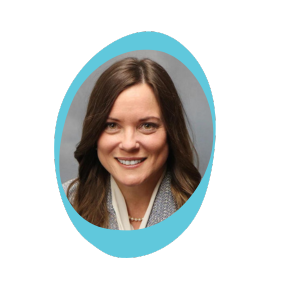
Denise Atwood, RN, JD, CPHRM has over 30 years of healthcare experience in compliance, risk management, quality, and clinical areas. She is also a published author and educator on risk, compliance, medical-legal and ethics issues. She is currently the Chief Risk Officer and Associate General Counsel at a nonprofit, multispecialty provider group in Phoenix, Arizona and Vice President of the company’s self-insurance captive.
See YouCompli in Action
Easier, faster, more effective compliance is possible